
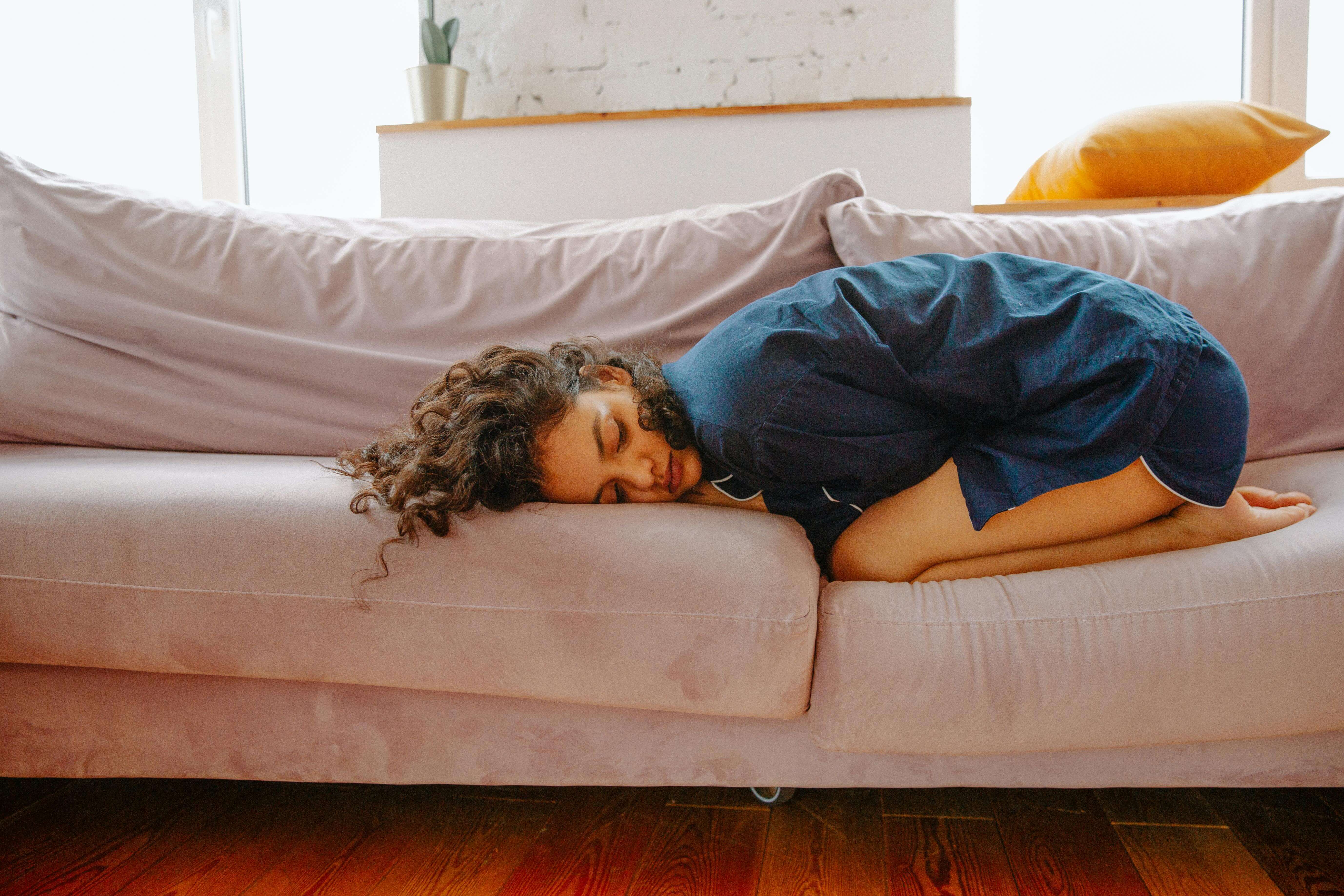
How do you prepare your daughter for her first menstrual cycle?
To ensure your daughter is well-prepared for her first menstrual cycle, consider the following steps:
1. Start Early Conversations: Starting conversations about menstruation with your child from an early age is essential. At first, keep it general by simply mentioning that they will have a period when they get older. As they grow and ask more questions, provide additional details and emphasize that periods are a regular and healthy part of life.
2. Be Clear and Straightforward: Did you know that girls usually start puberty between 8 and 13? If you’re discussing menstruation with your child, it’s essential to ask if she has noticed any changes in her body. You can explain that during a period, some blood will flow out of the vagina slowly over 3 to 7 days. Your child can use pads or tampons to collect it to prevent staining her clothes. It’s also worth mentioning that some women experience symptoms like bloating, cramping, headaches, and breast tenderness before their period starts.
3. Use Proper Terminology: It’s essential to use precise language when referring to body parts like the “vulva” and “vagina.” Also, let’s try to avoid regarding menstruation as a taboo topic and keep a relaxed or neutral expression when discussing it.
4. Create a Period Kit: As your daughter enters puberty, assembling a period kit for her is a good idea. This kit should include all the essentials like pads, tampons, or any other menstrual products she prefers. Ensure to introduce her to these items beforehand so she feels comfortable using them when needed. It’s essential to make this transition as smooth and stress-free as possible for her.
5. Educate the family about your daughter’s changes and encourage understanding and consideration during this transition.
6. Remind your daughter that she can still pursue all her goals and activities during her period. Menstruation doesn’t limit her abilities or potential. By having open communication and providing accurate information, you can help your tween navigate this natural process with confidence and ease. Hope this helps!
What are some common menstrual problems for tween?
It’s essential to be aware of the typical menstrual problems that young girls (tweens) may experience.
- One of the most common issues is irregular periods. It’s normal for girls to have irregular bleeding in the first two years after starting menstruation. This may include having two periods in one month or going several months without a period. However, if periods are highly irregular or occur more than three months apart, seeking medical advice is recommended.
- Another issue young girls may face is heavy periods. While some variation in flow is normal, excessively heavy periods can impact the quality of life and even lead to anemia. Signs of heavy bleeding include flow lasting more than eight days, soaking through a pad or tampon within an hour, soaking through bedding at night, and passing clots more significant than one centimeter.
- Painful periods, also known as dysmenorrhea, are another common menstrual problem. Many girls experience cramps during menstruation, which are caused by prostaglandins released by the uterus. Over-the-counter pain relievers like ibuprofen or naproxen can help manage cramping. However, if cramps significantly affect daily life, seeking medical advice is recommended.
- Lastly, hormonal changes during the menstrual cycle can contribute to acne breakouts, which may worsen during periods. Sometimes, birth control pills are used to treat acne. It’s important to note that these pills should only be taken under the guidance of a healthcare professional.
How can I help my daughter manage her menstrual pain?
If you are looking for ways to help your daughter manage menstrual pain, here are some options that can be effective:
1. Stay Active: Encourage her to exercise regularly and stretch. Physical activity can ease cramps and improve overall well-being.
2. Relaxation Techniques: Practice deep-breathing exercises or meditation. These can help calm both the mind and body.
3. Warm Baths: Warm baths can relax tense muscles and relieve cramps.
4. Heat Therapy: Applying a hot water bottle or a heating pad to her lower abdomen can help alleviate discomfort.
5. Over-the-counter Pain Medications: Consider using over-the-counter pain relievers like ibuprofen or naproxen. These can be taken right before or at the beginning of her period to reduce cramping.
It’s essential to remember that if your daughter’s symptoms persist or worsen, it’s best to consult a healthcare professional. They can provide personalized advice and recommend herbal remedies or other medications to relieve symptoms.
How can I help my daughter manage heavy bleeding during periods?
Remember, your support and understanding are crucial in helping your daughter navigate this natural process confidently and comfortably.
If your daughter experiences heavy bleeding during her periods, there are several ways you can support her.
- Seeking professional advice from her healthcare team is a great place to start. They can evaluate whether there are any underlying issues or inherited bleeding disorders that need attention.
- Hormonal and non-hormonal treatment options are also available.
- Hormonal options such as birth control pills, intrauterine contraception (IUC), and hormone therapy can regulate periods and reduce bleeding.
- Non-hormonal options such as pain management, heat therapy, staying hydrated, and consuming iron and vitamin C-rich foods can also help her manage symptoms.
- Encouraging open communication and creating a supportive environment for your daughter is essential. Assure her that seeking help is crucial and no question is too trivial.
Remember, your support and understanding can make a significant difference in helping your daughter navigate this natural process confidently and comfortably.
What are the sanitary options for a tween?
There are tons of exciting and innovative sanitary options available for tweens! There’s a world of choices to explore, from period pads to menstrual cups, tampons to period underwear. Here’s what you need to know:
Period Pads (Sanitary Napkins):
These nifty disposable pads are perfect for beginners and those who prefer external protection. They come in various sizes and absorbencies; some sets even include self-care items like sleeping masks and cozy socks! Talk about a treat!
Tampons:
Designed with active tweens in mind, tampons are perfect for discreet protection during sports or other activities. Available in different sizes (regular, super, etc.), they’re an excellent option for girls who want to stay active and comfortable during their periods. Remember to discuss comfort and proper usage so your tween feels confident and comfortable.
Menstrual Cups:
If your tween is looking for a safe alternative to traditional tampons and pads, look no further than menstrual cups! These reusable silicone cups are environmentally friendly and cost-effective in the long run. With proper insertion and removal techniques, they’re a safe and reliable option for your tween.
Period Underwear:
Looking for something a little more exciting and innovative? How about period underwear! These innovative panties are explicitly designed for periods, with absorbent layers built into the fabric to prevent leaks. They’re comfortable for overnight wear and during school or extracurricular activities and come in various styles and absorbencies. Your tween will love the freedom and convenience of period underwear!
Remember that every tween is unique, and discussing these options with your daughter is essential. Encourage her to choose what feels most comfortable and convenient for her needs. With open communication and support, this transition can be an exciting and empowering experience for your tween!
How can schools help prepare tweens for their menstrual cycles?
Schools play a crucial role in supporting young girls during this transition and can make it a lot less daunting! Here are some exciting ways schools can lend a hand:
- Get Educated and Aware: Schools should incorporate comprehensive sexual education into their curriculum that covers puberty, menstruation, and reproductive health. Teachers can even introduce girls to menstruation before they experience it, which helps dispel fears, combat social taboos, and provide accurate information!
- Practical Guidance: Schools must educate girls on what to do if their period starts unexpectedly, such as during class time, school, or extracurricular activities. Schools should also ensure that restrooms have sanitary napkin machines or stocked supplies and that girls can seek assistance from the school nurse if they need a pad.
- Create a Sensitive Environment: Open communication is vital! Schools can create an open environment where girls feel comfortable discussing menstruation. Encouraging girls to support each other is also essential; friends can help in emergencies.
- Extended Trips and Camps: Schools should guide girls on managing their periods during extended trips or camps. They can do this by providing guidance on packing supplies and a letter to counselors.
Remember, informed and supportive schools can help boost a tween’s confidence and well-being during this natural transition. So, let’s get excited about schools’ role in preparing tweens for their menstrual cycles!
How do you help boost your tween’s self-esteem during her menstrual cycle?
Let’s explore some exciting strategies to help her feel more confident and optimistic than ever!
- First and foremost, encourage open communication. Let her know that it’s perfectly normal to experience emotional changes during her period. Create a safe space where she can express her feelings without judgment.
- Education and awareness are critical! Teach her about the menstrual cycle and its impact on emotions. Understanding the biological reasons behind mood swings can reduce anxiety. Encourage her to keep a period diary to track emotional patterns. Knowing what to expect can empower her to cope better.
- Self-care practices can make all the difference! Help her find activities she enjoys, such as knitting, drawing, cooking, or writing. Engaging in hobbies can distract from perceived problems. Physical activity is also crucial – walking or light aerobic exercise may help improve her mood and reduce menstrual cramps. Alone time is essential, too! Encourage her to take some quiet time when she’s feeling irritable.
- Positive self-talk is another powerful tool. Remind her to challenge negative thoughts and focus on the positive aspects. Encourage her to be patient with herself and celebrate her strengths.
- Social support is essential! Surround her with positive influences and spend time with friends who uplift her and make her feel better about herself. Engage in acts of kindness to give back to the community and boost self-esteem.
Remember, self-esteem is a journey, and your support plays a vital role. So, let’s embark on this journey together and celebrate her strengths during this natural phase of life!

Leave a Reply