
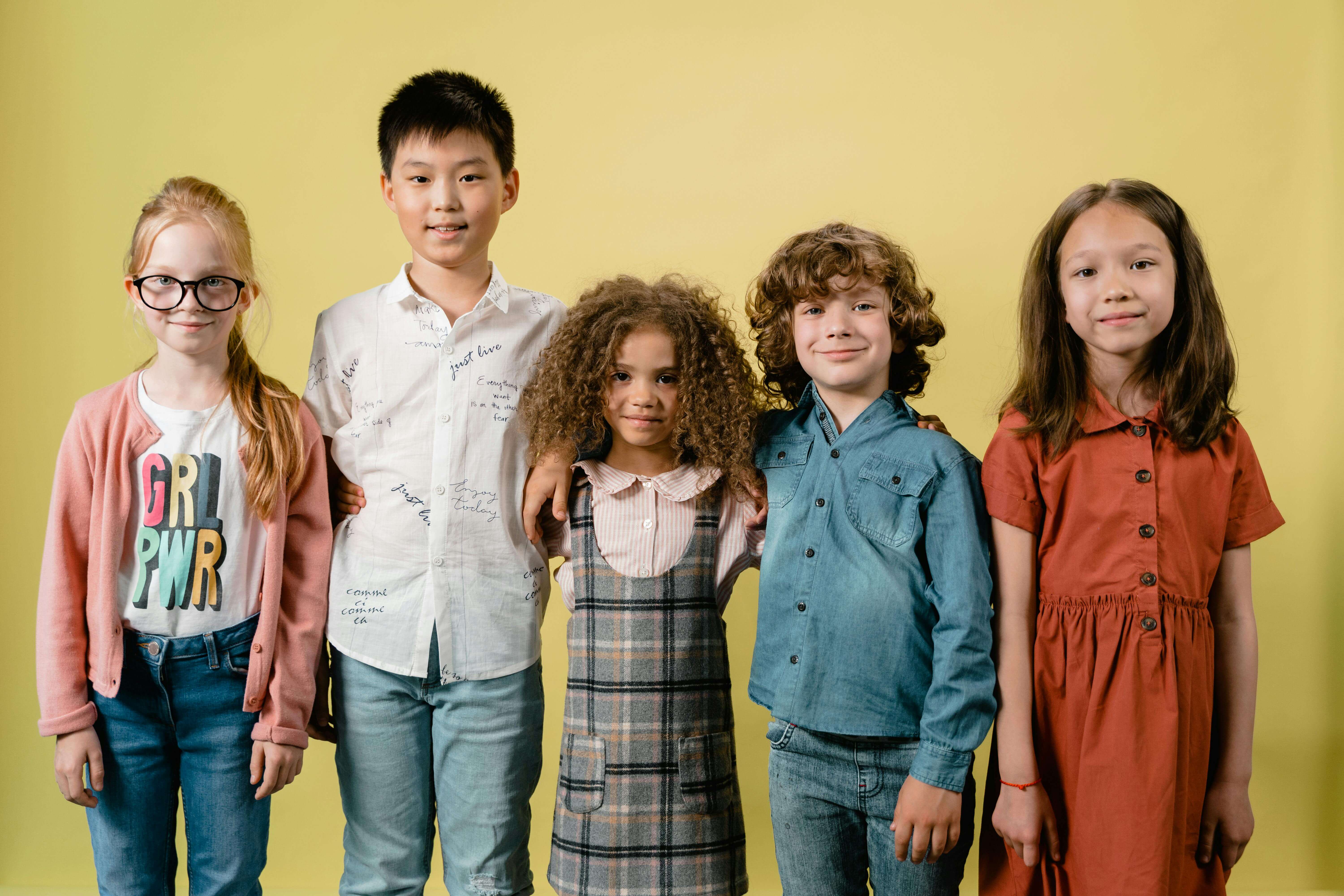
How do you explain race and stereotypes to younger kids?
Talking to children about race and stereotypes is a crucial conversation that should be initiated early. Even at six months, infants can perceive differences in skin color and hair textures. As children grow, they become increasingly aware of racial differences and start forming judgments based on them. Therefore, it is essential to have constructive discussions about race with your kids. Here are some valuable tips to help you have these discussions:
Start Early: It is crucial to start these conversations when your child is young. Delaying these discussions might make your child think that talking about race is a taboo subject.
Ask Open-Ended Questions: Encourage dialogue by engaging your child with open-ended questions. Ask them what they already know about race and what they think about it. You might be surprised by their observations.
Have a Series of Conversations: Instead of having a one-time talk about race, it’s better to have ongoing discussions. Revisit the topic as your child grows older and learns more.
Avoid Color Blindness:
- Acknowledge that racism exists and that some people face discrimination because of their race.
- Avoid saying things like, “We don’t see race in this house.”
- Be open to learning and modeling positive behaviors.
Validate Feelings: Allow space for emotions. Validate your child’s anger or sadness in response to injustices and help them find healthy coping mechanisms.
Remember, as a parent, you don’t need to have all the answers. Show your willingness to learn with your children and create an environment where they feel comfortable discussing race and understanding differences.
How do we explain what a stereotype is to a young child?
Explaining stereotypes to young children can be a challenging task. Still, it can be done in a simple and relatable way. Here are some ways to explain it to them:
-
First, it’s essential to start with simplicity. Children understand things best when they are explained in straightforward terms. Therefore, you can explain to them that a stereotype is a label people have about a group of individuals based on their appearance. People make generalizations about others, which may or may not be accurate. For example, people might think all cats are alike because they have fur and whiskers. That is a stereotype.
-
Using relatable examples can also be helpful. For instance, you can tell them that some people believe all boys are good at sports, but that’s false. Boys can be good at many different things. Similarly, some people think girls should only like pink or play with dolls, but girls can love any color and play any game they want.
-
It’s also important to talk about uniqueness. You can explain that everyone is unique and has different interests, talents, and feelings. Just because someone looks a certain way doesn’t mean we know everything about them. Encourage children to be curious and ask questions like, “What do you think about people who wear glasses?” or “Do you think everyone from a particular place acts the same?” This will help them see that people are more than just their appearance.
-
Teaching kindness and fairness is also crucial. Remind them to treat everyone with kindness and respect, regardless of their appearance or origin. Encourage them to learn about others and appreciate their differences. It’s vital to emphasize that no one should be judged based on appearance or background.
In conclusion, children learn best through simple examples and stories. Please keep the conversation open and age-appropriate and encourage them to ask questions and express their thoughts. By doing so, you can help them develop a better understanding of stereotypes and encourage them to embrace diversity and treat everyone with kindness and respect.
How to explain what is a racial stereotype to a young child?
Certainly! Educating young children about racial stereotypes is important as it fosters their understanding of different cultures and promotes empathy. Here’s a simple way to do it:
-
Firstly, it’s essential to explain what a stereotype is. A stereotype is like a label or an idea that people have about a group of people based on how they look on the outside. For instance, if someone thought all cats were the same because they had fur and whiskers, that would be a stereotype.
-
Additionally, it’s crucial to explain what a racial stereotype is. Sometimes, people make assumptions about others based on their race, which is where their family comes from, and the color of their skin. For example, some people may believe that everyone from a particular race likes the same things or acts the same way. However, this is only true if everyone is unique.
-
It’s important to discuss why stereotypes are not fair. Stereotypes can be hurtful because they don’t consider the uniqueness of each person. Just because someone looks a certain way doesn’t mean we know everything about them. People are much more than their appearance.
-
Lastly, it is vital to teach children to be kind and fair to everyone, regardless of their appearance or origin. We should treat everyone with kindness and respect. Let’s learn about others and appreciate their differences!
Remember, children learn best through simple examples and stories. Keep the conversation open, honest, and age-appropriate!
Should I address stereotypes with my child?
Certainly! Addressing stereotypes with your child is crucial for fostering understanding and promoting empathy. Here are some steps you can take:
-
Acknowledge Stereotypes: Start by acknowledging that stereotypes exist. Explain that people sometimes make assumptions based on someone’s appearance, background, or culture.
-
Discuss Uniqueness: Emphasize that every person is unique. Talk about how we all have different experiences, interests, and talents. Share stories of people who defy stereotypes.
-
Challenge Stereotypes: Encourage critical thinking. When you encounter stereotypes in media or daily life, discuss them with your child. Ask questions like, “Do you think this stereotype is fair?” or “What might be missing from this picture?”
-
Teach Empathy: Help your child understand how stereotypes can hurt others. Discuss feelings and emotions. Encourage empathy by asking, “How would you feel if someone assumed something about you based on your appearance?”
-
Expose to Diversity: Introduce your child to diverse cultures, traditions, and perspectives by reading books, watching movies, and exploring different cuisines together. Celebrate cultural events and holidays.
-
Model Acceptance: Be a positive role model. Show acceptance and respect for people from all backgrounds. Correct any stereotypes you catch yourself using.
Remember, these conversations are ongoing. As your child grows, their understanding will deepen, and they’ll develop a more nuanced view of the world.
What age is appropriate to start discussing stereotypes?
Discussing stereotypes with children is a gradual process that can begin as early as preschool age. Here are some age-appropriate approaches:
- Preschool (Ages 3-5):
-
- Introduce Diversity: Read books and show pictures that depict people from various backgrounds. Discuss how everyone is unique.
- Simple Language: Use simple language to explain that some people may think certain things about others based on their appearance, but those assumptions aren’t always accurate.
- Early Elementary (Ages 6-8):
-
- Explore Differences: Encourage curiosity. Discuss cultural practices, traditions, and languages. Teach them that differences are valuable.
- Media Awareness: Talk about stereotypes they encounter in cartoons, movies, or books. Ask questions like, “Why do you think the character is portrayed this way?”
- Late Elementary (Ages 9-11):
-
- Critical Thinking: Encourage them to engage in deeper conversations. Could you encourage them to question stereotypes? Discuss the historical context and how stereotypes have evolved.
- Empathy: Teach empathy by discussing feelings. Ask, “How would you feel if someone assumed something about you based on your appearance?”
- Middle School and Beyond:
-
- Social Context: Discuss real-world examples of stereotypes, prejudice, and discrimination. Explore systemic issues.
- Media Literacy: Analyze media messages critically. Discuss bias and representation.
- Promote Advocacy: Encourage standing up against stereotypes and promoting inclusivity.
Every child is different, so adapt your approach based on their maturity level and understanding.
What are some activities that promote empathy in kids?
Hey there! Are you looking for fun and engaging ways to teach empathy to kids? If so, you’ve come to the right place! Empathy is a crucial skill for children’s social and emotional development, and you can do plenty of activities to foster it. Let’s take a look at some exciting ideas:
-
First, we have empathy-driven books! Choose books that allow children to get inside the characters’ heads and understand their emotions. Then, they can discuss the characters’ feelings and perspectives together.
-
Another great activity is play-acting. Encourage kids to take on different roles and act out scenarios like sharing toys, comforting a friend, or resolving conflicts. This helps them see situations from others’ viewpoints.
-
You can also involve kids in community service projects or volunteering. Planning and executing projects teach them the value of helping and understanding others’ needs. Plus, discussing the impact of their actions reinforces empathy.
-
Discussing real-life scenarios is another fantastic way to teach empathy. Share stories or news articles highlighting empathy and kindness and explore different perspectives.
-
Create an empathy journal for a more personal approach where kids can write about their feelings and experiences. Encourage them to reflect on moments when they felt empathy or witnessed it in others.
-
How about random acts of kindness? Challenge kids to perform small acts of kindness, like writing a thank-you note or helping a neighbor. These actions reinforce empathy and compassion.
-
Playing feelings charades is also an excellent way to help kids recognize and understand others’ feelings. They’ll have a blast acting out different emotions!
-
Let’s remember empathy art! Kids can draw or paint how they think someone else might feel in a particular situation. Discussing their artwork and feelings is a great way to reinforce empathy.
-
Last but not least, encourage kids to create stories from different perspectives. This helps them imagine themselves in others’ shoes and understand varying viewpoints.
Remember, as with any skill, empathy takes time and practice. These activities provide opportunities for kids to practice and strengthen their empathetic abilities. So, let’s get started!
What are some examples of open-ended questions to ask young children about race and stereotypes?
Having open and honest discussions about race and stereotypes with young children is crucial in developing their empathy, critical thinking, and cultural sensitivity. To facilitate such conversations, here are some open-ended questions that you can ask them:
- What are some common stereotypes that you have come across?
- How do stereotypes affect your perception of different cultures?
- Have you ever experienced being a victim of stereotypes?
- How does the media contribute to perpetuating stereotypes?
- Is it possible for stereotypes to be based on truth?
- How do stereotypes impact social interactions?
- In what situations do you find yourself stereotyping others?
- Have you ever challenged a stereotype that you held about someone?
- What are some stereotypes associated with your gender?
- In educational settings, how can stereotypes be harmful?
- Have you ever used humor to address stereotypes?
- How do stereotypes influence our judgments and decisions?
- Do stereotypes lead to discrimination? Why or why not?
- Are stereotypes primarily negative, or can they be positive too?
- How do stereotypes affect people’s self-esteem?
- Are stereotypes more prevalent in urban or rural areas?
- Can stereotypes influence political beliefs?
- How do stereotypes about physical appearance affect individuals?
- How do stereotypes about intelligence affect academic achievement?
- Have you ever felt compelled to conform to a stereotype?
- How do stereotypes about age affect the elderly and the young?
- Do stereotypes about nationality affect your travel choices?
- Have you ever confronted someone for using a stereotype?
By asking these questions, you can help young children better understand how stereotypes can influence their thoughts, feelings, and actions. This will also enable them to recognize the importance of treating everyone with respect and dignity, regardless of their cultural background or physical appearance.




Leave a Reply